Why Your Toilet Keeps Running
Three cistern failures cover nearly every running loo: a flush valve seal letting water slip into the pan, an inlet valve that will not shut, and a level high enough to spill through the overflow. So if your toilet keeps running day after day, one of those three is almost always behind it. A simple dye check sorts out which.
If we're late, $100 comes off your bill

- Licensed and InsuredEvery job done by a licensed plumber. QBCC No: 15024607
- Fixed Quote FirstFlat-rate pricing, agreed before any work starts
- Lifetime Labour WarrantyBacked by our Fix-It-or-It's-Free guarantee (T&Cs apply)
- $0 Call-Out FeesNo extra charge for nights, weekends or public holidays

The brick estates that grew around Morayfield from the late 1980s through the 1990s are full of cisterns now decades old, and perished rubbers show up in those bathrooms all the time. This guide covers what each symptom means, what Queensland lets you touch yourself, and when to call. A licensed plumber handles everything past the dye check.
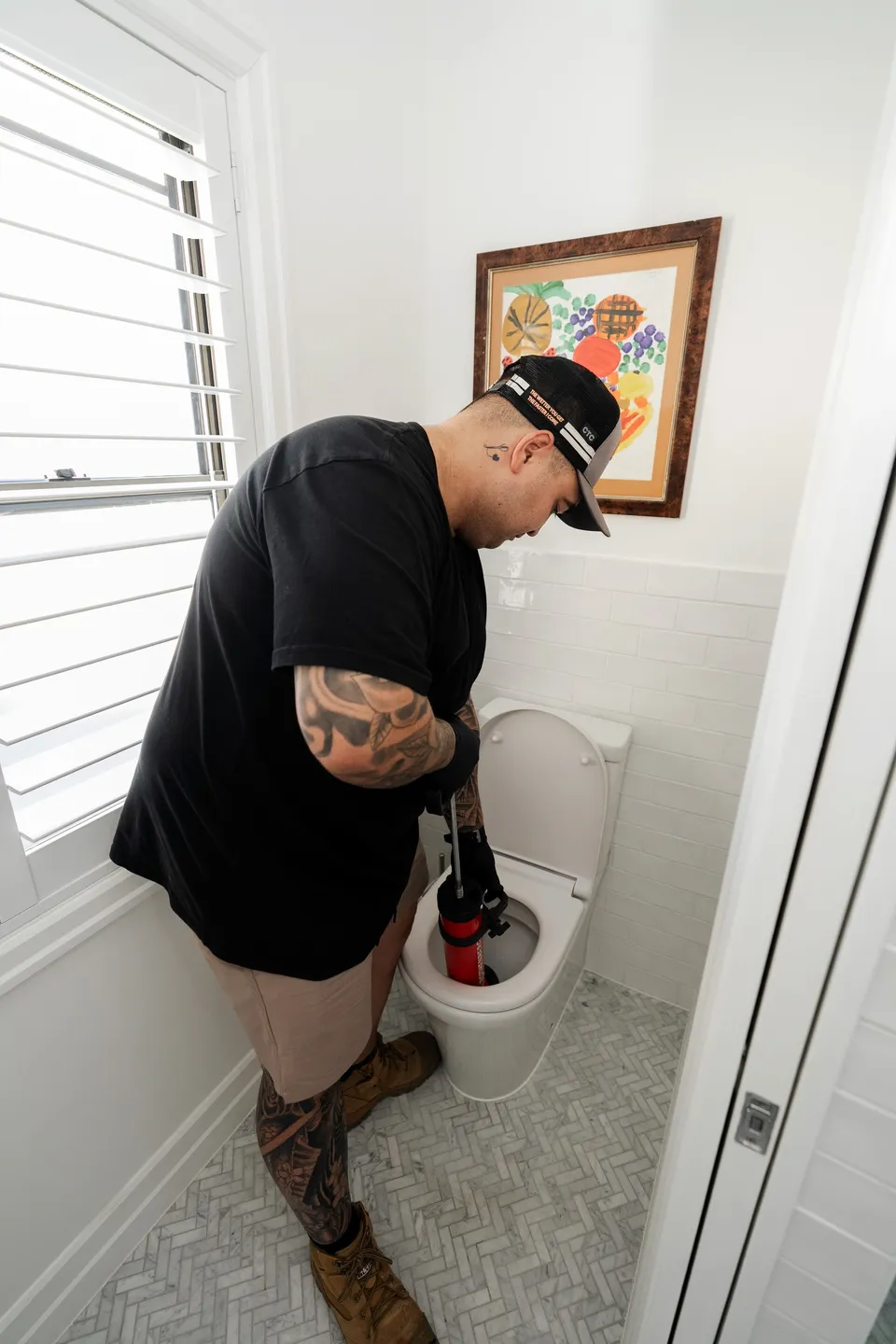
Why the Cistern Never Stops Filling
Three faults leave a cistern running: an inlet valve stuck open, a seal at the flush valve dribbling into the pan, and a water level spilling through the overflow.
Each one announces itself differently:
Constant hissing or trickling after the refill
signals an inlet valve that won't close.
The cistern topping up between flushes, or water creeping down the rear of the pan
, means the flush valve seal has had it.
Water finding its way out the overflow, including a drip at the outside pipe
, shows the cistern is filling past its set level, so the inlet valve or the float needs attention.
Between flushes, the flush valve holds the water in the cistern. Once the seal wears, the inlet valve replaces whatever slips away into the pan, and the loo never goes quiet.

When the Cistern Will Not Fill
An empty cistern usually traces back to an inlet valve worn or blocked, a float riding below its mark, or a supply tap left part-way closed.
Start with the obvious. The small stop tap on the pipe feeding the cistern sometimes gets knocked during cleaning or an earlier repair, leaving the supply half shut. A float riding below its mark tells the inlet valve to quit before the cistern holds enough water.
Then the sneakier version: water flows, yet the level never climbs, because the flush valve seal is draining the cistern as quickly as it fills. That repair belongs to a plumber, and we see plenty in the older bathrooms near Devine Court Sports Complex, where original 1990s fittings still serve big households.
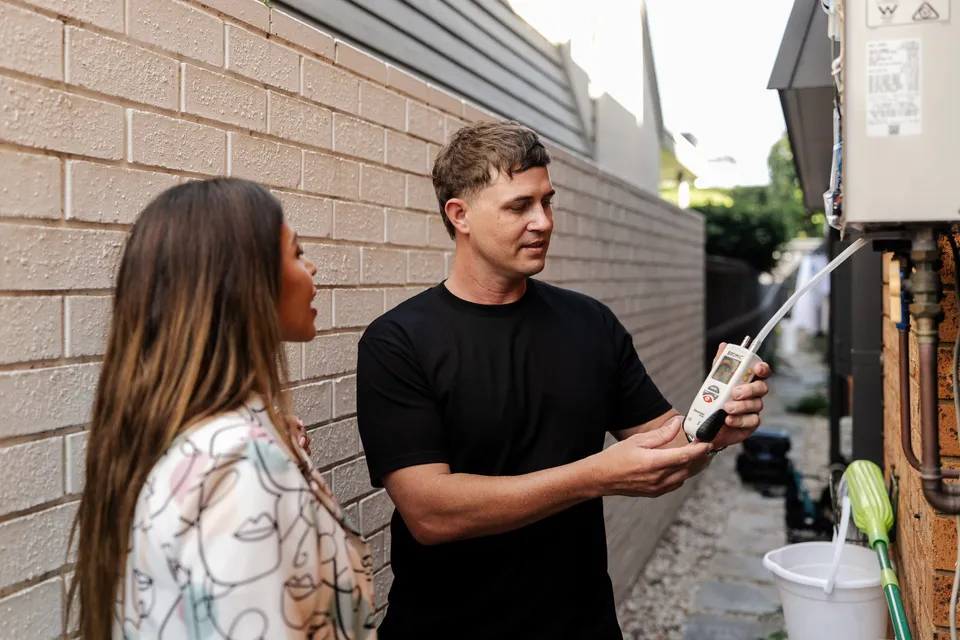
Check for a Silent Leak With Food Colouring
Run the dye check: drip a couple of drops of food colouring into your cistern, skip flushing and wait; colour in the bowl means the cistern leaks into the pan.
Follow it through:
- Lift the lid and drip the colouring into the water inside.
- Leave the loo alone. No flushing, and no hovering.
- Check the bowl. Colour showing there means the cistern is losing water past the flush valve seal.
- Flush once you have the answer. The colouring won't stain a ceramic bowl.
If the bowl stays clear, the flush valve is sealing as it should, and the inlet valve and the water level become the next suspects.
Out of food colouring? Rest a dry sheet of toilet paper at the back of the pan, higher than the waterline. Dry paper means no leak; paper wicking wet means water is trickling down the pan, and the cistern is the culprit.
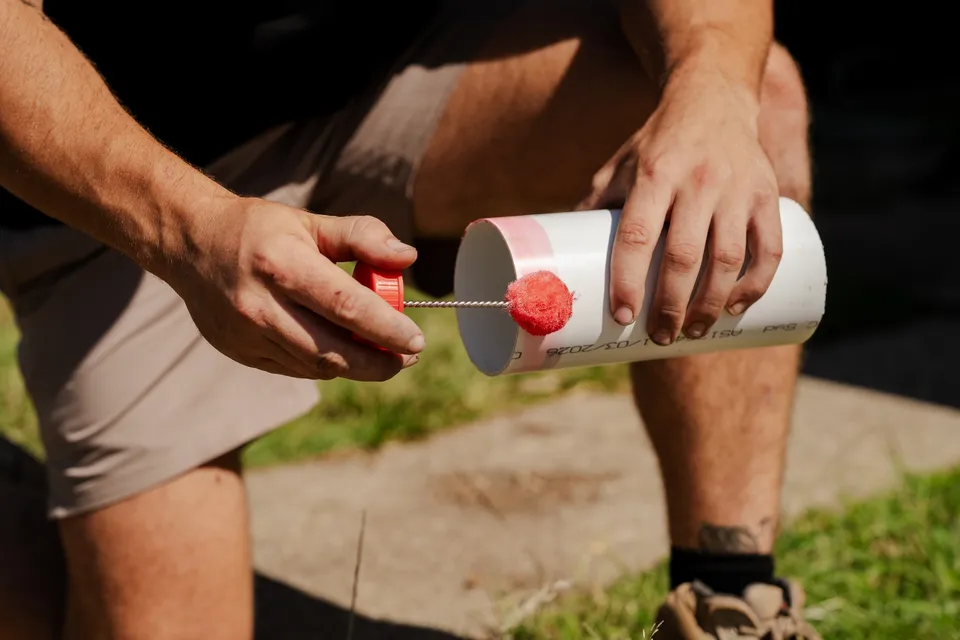
The QBCC List of Unregulated Cistern Work
The QBCC names three cistern parts as unregulated work anyone with the needed knowledge and skill may repair or replace. The three parts are the suction cup rubber, the float valve washer and the drop valve washer.
Even unregulated work has to satisfy the standards the codes set. Anything else on a cistern counts as minor work, which Queensland reserves for a QBCC licensee, with no permit and no Form 4 involved.
Renting? Queensland tenancy law puts the owner or manager in charge of keeping the place in good repair; the tenant's side of the deal is reporting problems straight away. The emergency list for rentals covers a loo that is blocked or broken, while a cistern that runs on does not make the list, so the fix falls under routine repairs inside a reasonable timeframe.

What a Running Cistern Does to Your Water Bill
No, Unitywater's concealed leak adjustment leaves out water lost to a running cistern. The policy targets hidden leaks underground or inside walls, and names leaking taps, cisterns, hot water systems and water appliances as excluded.
Leaks on the block, and the cost of the water they waste, belong to the property owner. A quietly running cistern can dribble for months before anyone notices, and the usage charge lands on the owner whether the home is tenanted or not. Renters in Morayfield feel the pinch too, since a wasted-water argument is nobody's idea of a good week.
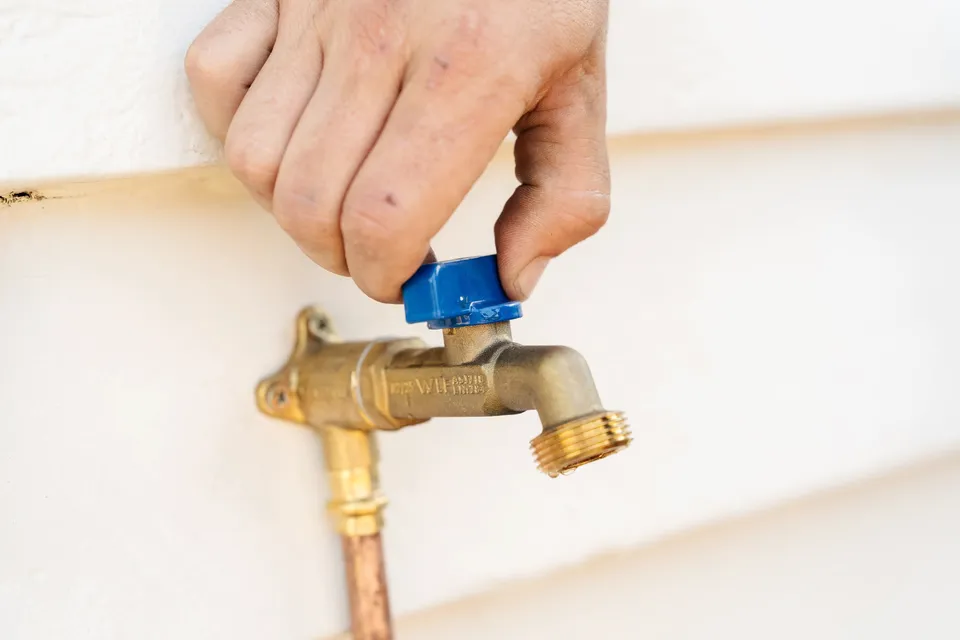
When to Hand the Cistern to a Plumber
Ring us when the dye check shows colour, when the cistern refuses to fill, or when the hissing refuses to stop after a flush. All three point to work outside the QBCC's three unregulated parts, and our toilet repairs team carries the valves and washers to finish the job in one visit.
Running Toilet FAQs
Call (07) 3520 4094Why has my toilet cistern stopped filling?
Worn or blocked inlet valves, a float held below its level, or a supply tap only partly turned on account for most empty cisterns. There is one twist: if water flows yet the level stays down, the flush valve's seal is letting water out as quickly as it arrives.
How do I check my Morayfield cistern for a silent leak?
Put a few drops of colouring in the cistern, skip flushing, then check the bowl. Colour in the bowl points to water moving out of the cistern and into the pan, past a worn seal. Flush afterwards, because the colouring leaves no mark on a ceramic pan.
Will food colouring stain my toilet bowl?
No, food colouring will not stain a ceramic bowl, and a flush afterwards clears every trace of it. Your bowl comes out of the test exactly as clean as it went in.
Will Unitywater help with the bill for a running toilet in Morayfield?
No, Unitywater's concealed leak adjustment excludes water lost through leaking cisterns, along with taps, hot water systems and appliances. The property owner wears the cost of leaks on the block, so the wasted water lands on the owner's account.

Ring Us About the Running LooWe'll call you back.
Phone (07) 3520 4094 for a licensed plumber in Morayfield. We work under QBCC No: 15024607, with flat-rate pricing, no hidden fees and same-day where we can.
To claim your $0 call-out fee, call (07) 3520 4094 today.